Remote work untethers individuals from typical workplaces, but it also removes the safeguard of an on-site first aider, an equipped clinical cabinet, and a fast ambulance action. Whether you're in a hill community with erratic cell service or a seaside apartment where the proprietor's first aid kit is a roll of tape and a paracetamol sore, the calculus adjustments. You end up being the very first responder. The difference between panic and purposeful action often comes down to what you exercised last month, not what you assume you bear in mind from years ago.
I have actually taken and instructed first aid training on 4 continents. The usual thread is never ever the brand of bandage or the logo on the mannequin, it's habits. Individuals that exercise the fundamentals take care of the unpleasant edges of real life better. Digital wanderers have various danger profiles and access restraints than office workers in midtown workplaces. That requires a customized strategy: select the right first aid course, build a sensible set you can lug, and maintain skills with shorter, smarter refreshers. This overview walks through how to do that with judgment and a dose of healthy and balanced skepticism.
The risk photo for location-independent work
A workdesk in Bali or Oaxaca modifications your direct exposure in subtle means. You're not climbing Everest, however you might be riding a mobility scooter on unfamiliar roadways, eating street food, functioning long hours in confined placements, and swimming in browse more powerful than it looks. The emergency situations you're more than likely to encounter come under patterns that any kind of excellent first aid and CPR course can prepare you for, however a few deserve unique attention.
Foodborne ailment strikes vacationers more than homebodies. Dehydration from vomiting and looseness of the bowels can transform quick, particularly in hot environments. Understanding when dental rehydration is enough and when to intensify avoids avoidable health center keeps. Scooter spills create roadway breakout, small fractures, and head injuries, typically without immediate access to imaging. Solid bleeding control skills and sound decision-making about when to move a person matter extra when emergency services are slow-moving. Allergies, including anaphylaxis to shellfish or unknown components, can rise within minutes, and neighborhood drug stores do not constantly supply epinephrine reliably.
Then there's the slow-burn threat that remote workers often neglect: repetitive strain injuries and posture-related neck or back pain. A first aid course won't take care of comfort designs, but it will educate you to recognize warnings for something a lot more serious, like unexpected neurological signs and symptoms. Ultimately, the ocean and mountains are magnets. Also a "laid-back" walk can put you an hour from aid. Altitude sickness, heat disease, and jellyfish stings are not unique once you start collecting passport stamps.

None of this suggests for anxiety. It says for proficiency. The ideal training turns what-ifs right into actions.
What makes a first aid course suitable for remote work
Most first aid courses show the exact same core: assess the scene, telephone call for aid, start CPR, use an AED, control bleeding, manage shock, and take care of usual injuries. For remote workers and digital nomads, I look for 6 qualities when choosing amongst first aid courses.
Accreditation and acknowledgment precede. A reputable first aid certificate, usually valid for one to three years depending upon territory, ensures the web content straightens with present guidelines. Red Cross, St John, American Heart Organization, and accredited independent service providers are safe bets. If you prepare to offer at occasions or accessibility certain coworking rooms that require a certificate, ask which bodies they recognize.
Second, scenario-based technique must be more than a buzzword. Digital material alone will certainly not wire your hands to discover the ideal intercostal area for compressions or to apply a stress bandage correctly. An excellent cpr course places you on the flooring with a manikin for a minimum of 2 cycles of CPR, with real-time comments. Better courses allow you practice control of extreme bleeding with tourniquets and hemostatic dressings, and toss you curveballs like a choking kid or a fainting coworker.
Third, try to find versatile styles that work with traveling. Crossbreed first aid and CPR courses, where theory is online and hands-on is compressed right into a half-day block, are perfect if you're passing through a city. Some companies schedule night or weekend abilities sessions in coworking areas. I have actually seen pop-up courses in hostels that were remarkably good. Ask bluntly concerning manikin-to-student proportions and whether they consist of AED method. If all you see are slides and no method, maintain walking.
Fourth, content that talks with low-resource settings. This is where first aid pro trainers stick out. I desire them to resolve what to do if you have no AED, bad cell reception, or no official ambulance solution. For instance, how much time do you dedicate to hands-only CPR before exhaustion in a two-person scenario, and exactly how do you rotate? How do you improvise a splint with hiking poles and a headscarf? If the educational program pretends every emergency situation ends with a paramedic walking in at minute six, it is not customized to you.
Fifth, travel health and wellness attachments. A conventional course possibly discusses dehydration and warmth. A stronger one offers you sensible dehydration analysis (pee shade is not enough), dental rehydration ratios, the essentials of elevation disease, and what to do with aquatic stings you in fact experience in Southeast Asia or Australia. They should also CPR Training Oxley show epinephrine auto-injector use since fish and shellfish allergic reactions can stand for the very first time in adulthood.
Finally, revitalize paths. Abilities degeneration is ruthless. If your last cpr training was more than a year earlier, your compression price and deepness are likely off. Companies that provide a brief cpr refresher course, even a 90-minute abilities get in touch with comments, aid you stay sharp without losing a weekend.
The non-negotiables: CPR, AEDs, and bleeding control
When people https://deanmuvv098.huicopper.com/what-to-do-before-assistance-shows-up-first-aid-pro-fundamentals ask me what to prioritize, I tell them three: CPR, AED usage, and hemorrhage control. Every little thing else you can frequently improvisate or defer. These 3 choose life-and-death in minutes.
High-quality CPR is a mechanical ability with basic rules and high failure rates among the unpracticed. You require to strike 100 to 120 compressions per minute at a depth of about 5 to 6 centimeters for adults, allow full breast recoil, and minimize stops. That reviews straightforward and really feels hard when adrenaline surges. Training with responses manikins that reveal rate and depth takes the uncertainty out. If you leave a training course not sure whether your compressions satisfy the requirement, you did not get what you paid for.
AED skills is just as crucial. In flight terminals or modern coworking areas, AEDs exist, however fear maintains people from opening them. Every great first aid and CPR course will certainly let you power one on and follow voice motivates on an instructor unit. Recognizing how to bare the chest, location pads appropriately, and clear prior to shock is not complicated, yet method seals it right into muscle mass memory. Ask your coworking area where the AED is and, more significantly, whether it's maintained. I when located one with a dead battery in a glossy brand-new center in Lisbon.
Bleeding control issues due to the fact that mobility scooters, blades, glass tables, and browse fins exist. Tourniquets save lives, and no, they are not just for combat zones. You must practice applying an industrial tourniquet on yourself and on a partner, high and limited. Time to application matters greater than brand name debates. Hemostatic gauze and pressure dressings belong in your set if you are comfortable utilizing them. Programs that avoid hands-on bleeding circumstances leave a gap.
Choosing between conventional and wilderness-leaning courses
Not every remote employee needs a complete wilderness initial -responder credential. That is a week or more of training developed for overviews that operate hours from conclusive treatment. For most digital wanderers, a conventional first aid and CPR course with a couple of wilderness-flavored modules strikes the mark: individual assessment when evacuation is postponed, improvisated splints, environmental emergency situations, and choice points for when to evacuate.
In cities with combined offerings, ask service providers whether they run "remote or ascetic" modules. Some programs badge these as remote first aid courses, commonly 2 days long, that broaden on core skills. I have located these specifically beneficial for people who divided time in between cities and weekend break walkings. They teach you to believe in time instead of distance. If you can't obtain an ambulance in under 20 mins, you're in a remote context. Your top priority list adjustments: hemorrhaging control, respiratory tract management, and keeping the client warm climb the checklist, while full immobilization frequently takes a rear seats to risk-free, gentle movement.
What your first aid kit should resemble when you endure of a backpack
Kits bloat quickly. The most effective one is the package you lug. For digital wanderers, I suggest a two-tier approach: a pocket kit that goes anywhere, and a little travel package in your daypack or mobility scooter storage space. The pocket kit covers the first three minutes. The traveling kit covers the initial hour.
Here is a small, practical loadout that has served me on the road:
- Pocket package: 2 pairs of nitrile gloves, CPR face shield, a little triangular bandage or cravat, two alcohol wipes, a number of adhesive tapes, and a compress dressing. Travel package: a commercial tourniquet, hemostatic gauze plus a stress dressing, a roll of natural wrap, a couple of sterilized gauze pads, glue tape, blister plasters, a small container of hand sanitizer, tweezers, an electronic thermostat, dental rehydration salts, loperamide and ondansetron if you endure them, acetaminophen and advil, an antihistamine, and any individual meds. If you or a close traveling companion has a serious allergic reaction, pack 2 epinephrine auto-injectors.
Everything needs to live in a red or high-contrast bag you can discover blind at the end of a bag. Change products you utilize prior to you forget. If you fly regularly, keep a note with any kind of products that will certainly obtain flagged at security. Tourniquets and scissors sometimes welcome questions. I keep blunt-tip medical shears in checked luggage to stay clear of the discussion. If you rent scooters, include a light-weight hi-vis strip or tiny headlamp to your set. Evening scenes are mayhem; being seen is a security intervention.
The facts of getting assistance abroad
The emergency number and action quality vary commonly. In Europe, 112 works. Partially of Asia and Latin America, police, fire, and clinical might have various numbers and various standards. I maintain a small card in my purse with neighborhood emergency numbers, the nearest immediate treatment or medical facility, and the neighborhood poison control if offered. Coworking supervisors usually know which exclusive healthcare facilities see foreigners without drama.
Response times can stretch. I have waited 40 mins for a rescue in a modern city after a mass-casualty crash bewildered solutions. Build a mental model for the initial 10 minutes without assistance. Scene security, phone call for aid, send out somebody to meet the rescue if roads are puzzling, appoint spectators jobs. Delegation soothes chaos.

Language adds rubbing. Find out and exercise a short manuscript in the regional language: location, nature of emergency, variety of people wounded, and whether someone is subconscious or otherwise breathing. Even 20 words assistance. When taking a trip with various other remote employees, agree on duties in advance at meetups or hideaways. I run five-minute "what would you do" drills with teams prior to offsite events. Individuals roll their eyes prior to and thank me after.
Certification logistics for individuals who move
A first aid certificate ends, usually in twelve to thirty-six months relying on the carrier and level. If you change countries, the paper trail can get untidy. Pick a carrier with worldwide recognition or at the very least on the internet confirmation. Some coworking chains approve any approved first aid and cpr courses; others specify a handful of names. If the program you absorbed Sydney requires translating for a customer in Germany, see to it the issuing body offers a certification in English or a basic bilingual format.
Hybrid revivals are your friend. Many organizations supply a cpr refresher course that focuses on compressions, AED usage, and choking, with optional add-ons for bleeding and shock. Set up these near job travel. I block a half-day on a Friday in cities where I understand providers run evening sessions. If you travel through cities recognized for strong first aid pro neighborhoods, like Melbourne, Vancouver, or Dublin, you can frequently find drop-in refreshers.
Keep a digital folder with scans of your first aid certificate, training course curriculum, and any type of letters of presence. Save them offline. Locations and clients sometimes request evidence at unpleasant times, like the first day of a resort in a rural suite with weak Wi-Fi.
When remote truly implies remote: field-tested judgment
A beach town with a facility is one thing. A trek 3 hours from a secured road is one more. If you press into true remote travel even periodically, invest the additional time on decision-making skills.
Transport choices are the hardest calls I see. Moving a person with a feasible back injury is filled. In the real world, you consider threats. If the scene is dangerous or aid is not coming, you might require to move them delicately to a more secure area. A wilderness-leaning module will certainly teach you how to do a modified drag, pad gaps if you should relocate someone onto a company surface area, and display for neurological adjustments. I do not go for perfection in the area. I go for less harm.
Heat disease is common and underappreciated. Warmth stroke kills, and the fix is aggressive cooling while treating ABCs. Cooling down initially, transportation 2nd, if you can decrease core temperature level on site. Ice water immersion is best, yet not always possible. Ice bag in armpits and groin, color, First Aid Course Mawson Lakes fanning with a shirt, and wet towels help. I educate groups to stop treating warm fatigue like a minor aggravation in tropical co-living spaces.
Water-related injuries require details practices. Do not think somebody who coughed after a near-drowning is fine. Observe for at the very least an hour for breathing difficulties. For thought back injuries in shallow-water surf crashes, withstand need to tug someone upright. Support the head in the water, maintain the person straight ideally, and coordinate with others to lift as one. If you have not practiced this in a pool, take a training course that runs a water-rescue module.
How to review training course quality prior to you book
Marketing language seems the same from lots of service providers. Penetrate beneath the surface.
Ask the number of mins of hands-on CPR each participant gets and whether feedback tools are utilized. Anything less than a couple of full cycles is slim. Verify manikin-to-student ratio. Two trainees per manikin is excellent, 4 serves, 8 is bad. Confirm that AED instructors are included, not simply verbal descriptions. Look for explicit reference of hemorrhaging control with tourniquets, not only bandaging.
Instructors with field experience teach differently. A first aid pro who has actually functioned events, lifeguarded, or guided in the field will sprinkle the training course with judgment calls that make the material stick. Check out evaluations for states of sensible situations and equipment you can actually get, not simply brand sponsorships.
Finally, examine the aftercare. Excellent providers send out a succinct digital manual, links to brief refresher course video clips, and options for a quick skills sign in six to twelve months. If they offer a training course and vanish, expect your abilities to fade faster.
The function of simple avoidance in a mobile lifestyle
Prevention may not be attractive, however it keeps you out of trouble. I have actually seen a lot more journeys ruined by preventable dehydration and overconfidence on scooters than by freak crashes. Choose headgears that fulfill acknowledged standards and in shape correctly. If a rental shop uses helmets that resemble playthings, search for a better one. Construct micro-habits: consume a litre of water before leaving for a co-work day, carry a tiny electrolyte packet when you understand you'll sweat, and eat something salted after swims in warm climates.
Ergonomics issue in Airbnbs. I travel with a lightweight laptop computer stand and a roll-up outside key-board. It looks fussy till you avoid the migraine you always get after a week hunched over a coffee table. Stretch breaks minimize the irritable tendons that send out individuals searching for painkillers.
For food safety and security, adhere to the citizens. Busy stalls with high turnover beat dazzling empty restaurants for security. If you are struck with gastro, switch rapidly from denial to monitoring. Dental rehydration is your buddy. Mix your very own if required: roughly 6 level teaspoons of sugar and half a degree teaspoon of salt in a liter of secure water, drank gradually. That dish has actually conserved even more vacationers than any type of unique supplement.
A simple method loop to keep skills usable
Book your first aid and cpr course. After that develop a ten-minute regular monthly method loophole so the discovering does not gather dust.
- Two minutes: enjoy a brief CPR refresher video from your training course provider and shadow the hand position and rate. Two mins: open your AED application or picture of the local AED location at your coworking space and picture getting it. If you move areas, ask on day one. Three mins: draw your kit, check expiration days, and technique applying your tourniquet one-handed and two-handed. Time yourself. Two mins: run a psychological rehearsal of a situation you're likely to encounter in your current place, such as a scooter collision on a busy road or a jellyfish sting on a jampacked beach. One minute: upgrade your emergency card with the local center and the regional emergency number.
I've viewed this tiny regular maintain people tranquil when it counted. Technique is not simply for professionals.
Costs, timing, and what to expect
Prices vary. In major cities, a combined first aid and cpr course normally runs the equivalent of 80 to 200 USD, depending on service provider and country. Remote or wild add-ons include an additional 100 to 300 USD and a day or more of time. A portable cpr course or cpr refresher course costs less, usually 40 to 100 USD for a brief session. Hidden costs consist of transportation to awkward places, pause job, and, periodically, booking costs for final slots.
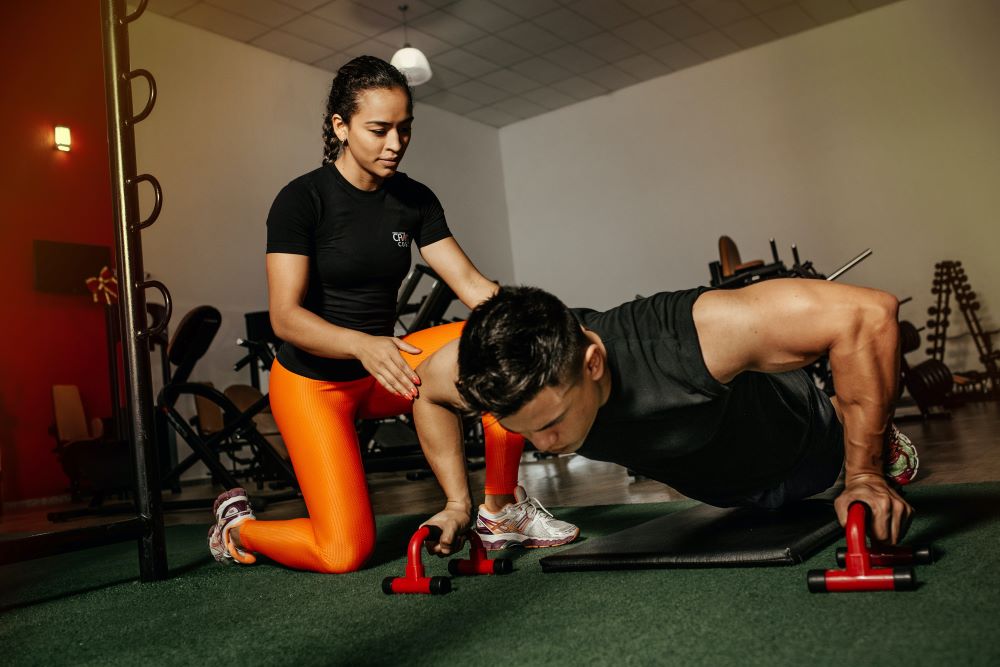
Expect a half-day to complete day for common first aid courses, with on-line prework if it's hybrid. Expect to sweat a little bit if the teacher is excellent. You'll kneel on tough floors, roll a companion right into recuperation positions, and tape a fake wound while the clock runs. This pain is not a bug. You do not find out tranquil by staying comfortable.
Certification gets here as a digital first aid certificate within a couple of days. Store it where you keep your passport images and inoculation records. Some suppliers concern physical cards for an extra charge. I rarely discover those beneficial, yet some venues still like them.
Remote job teams and hideaways: develop a safety layer
If you arrange retreats or pop-up co-living, you're holding responsibility of care. Put at least two trained very first aiders in every group of twenty. Gear up venues with a noticeable, equipped kit and an AED if possible. Coordinate with neighborhood facilities beforehand, not during the very first event. Run a five-minute safety and security brief, not as a buzzkill, yet as a norm-setting minute: where the first aid package is, who has first aid training, how to call for help, and just how to drop a pin with GPS collaborates. I've seen this reduce paralysis when a person passed out on day 2 at altitude.
Codify easy policies. No mobility scooter riding without safety helmets. Swim with a friend in browse. Hydration and sunscreen readily available in any way times. If this appears adult, remember that grown adults make sketchier options in brand-new areas, particularly with peer stress. A tranquility, clear standard lowers the probabilities you'll be exercising CPR in flip-flops.
Final idea: skills takes a trip with you
You can not pack an ambulance, yet you can load skills. A reputable first aid course, reinforced by brief, regular practice, transforms you right into somebody that can act under pressure in unknown places. It is not concerning being a hero. It is about acquiring time, making wise calls, and giving your buddies or complete strangers a much better possibility. For remote employees and digital nomads, those skills are not optional extras like a far better electronic camera or a lighter traveling bag. They belong to the set that allows you go further without misleading yourself regarding the risks.
Book the training course. Practice the fundamentals. Build the pocket kit. Maintain your cpr training fresh. When the minute comes, you will certainly do one of the most essential thing a vacationer can do in a dilemma: progression, and start.